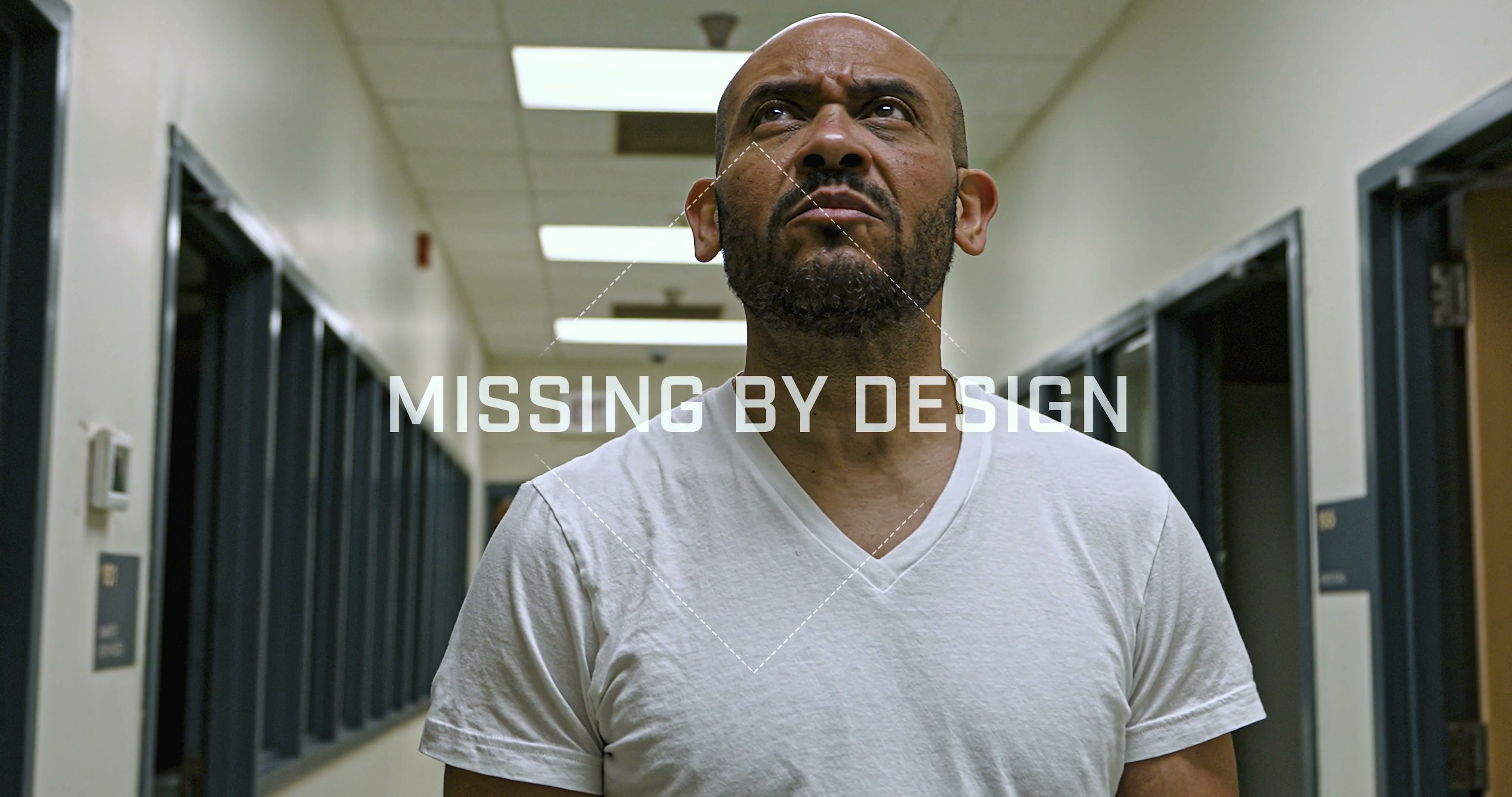
Missing by Design goes beyond the film. Each episode is a feature-length conversation with a researcher, advocate, or person with lived experience, unpacking the science and the humanity behind what incarceration actually does to people.
The series takes its name from a central argument of the film: that the harms of the carceral system are not accidents or failures. They are built in. They are features, not bugs. And understanding that is the first step toward dismantling them.
Episodes release in tandem with production milestones, giving audiences a deeper connection to the research and the people driving it. Hosted by director EL Sawyer.
The audio version of Missing by Design will be made available and accessible to incarcerated people within participating state and county prison systems, with a mission to expand access to all incarcerated individuals everywhere, in multiple languages.
How confinement, isolation, stress, and institutional control shape the mind, brain, and behavior of those subjected to them.
What real healing requires after incarceration, and why safety, dignity, connection, and stability are essential to recovery.
How people become socially, emotionally, and politically erased through incarceration, and what that disappearance says about us as a society.
Why certain forms of trauma, deprivation, and psychological harm are named, studied, and treated in some populations, while being overlooked or normalized in incarcerated ones.
How people adapt to the conditions they are forced to survive, and why we cannot talk honestly about behavior without talking about environment.
How history, policy, race, punishment, and public indifference have shaped the current system, and what a more human future could require.
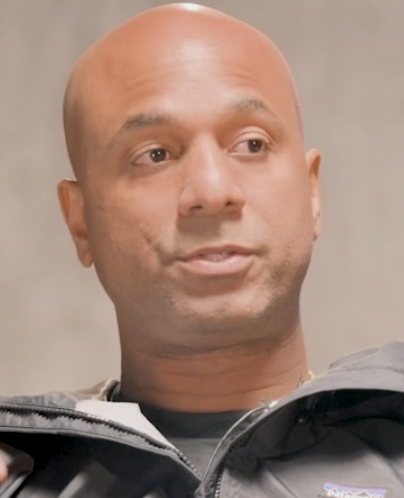
Wallo reflects on growing up in an environment where criminality was modeled as success, the normalization of incarceration, and how prison reshaped his thinking, survival instincts, and sense of possibility.
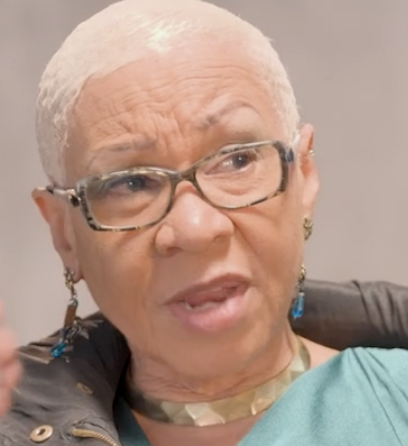
Dr. Joy DeGruy examines the historical roots of punishment, the dehumanization that underlies incarceration, and the ways trauma, historical memory, and public perception shape how people are treated before, during, and after prison.
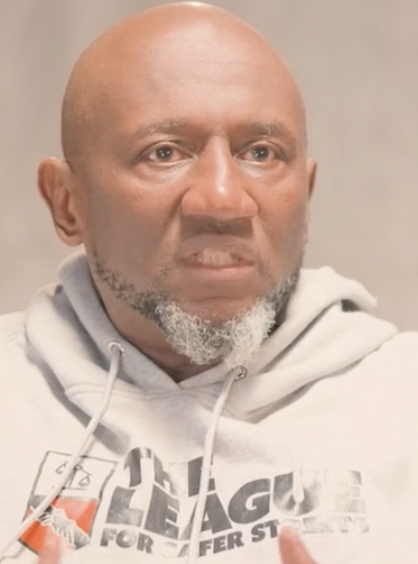
Taylor Paul reflects on growing up in Richmond, where poverty, racism, violence, and incarceration were woven into everyday life. This conversation explores environmental pressure, adaptation, and the early normalization of prison culture.
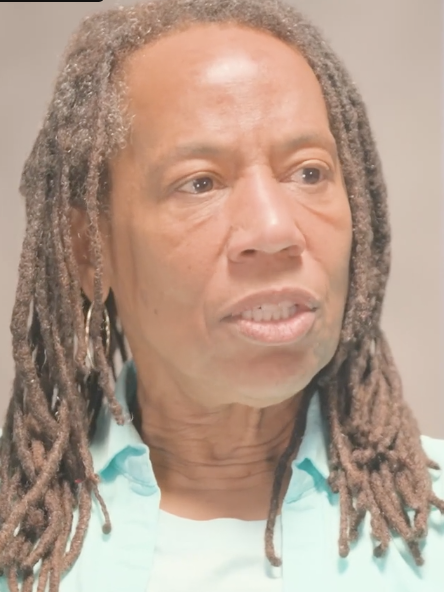
Debbie Davis speaks about the psychological toll of long-term incarceration, from paranoia and isolation to the disorientation of coming home. This conversation centers the inner life of confinement and the lasting effects of survival.
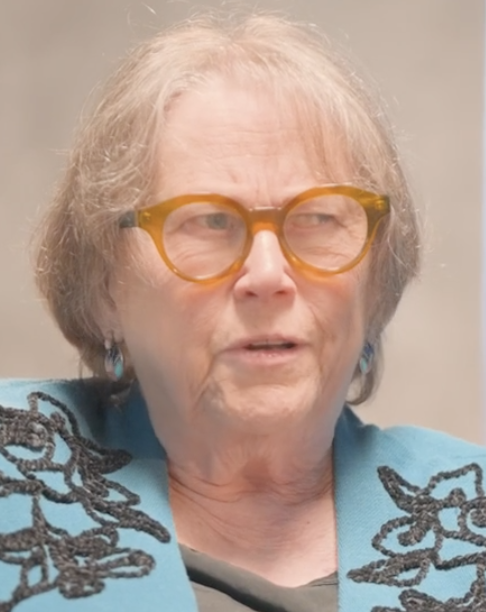
Dr. Sandra Bloom examines trauma, childhood development, and the way unsafe environments shape the brain. This conversation helps frame incarceration as an experience of adaptation, not simply punishment.
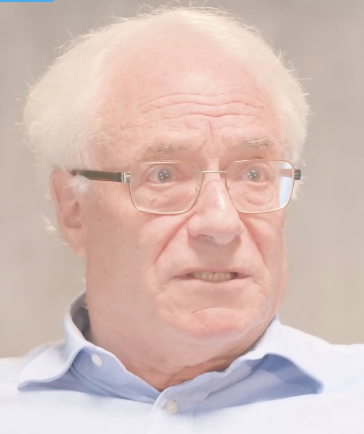
Robert Reed reflects on his years as a prosecutor and the systems that shaped policing, prosecution, and punishment in Philadelphia. This conversation offers a view from inside the machinery of criminalization.
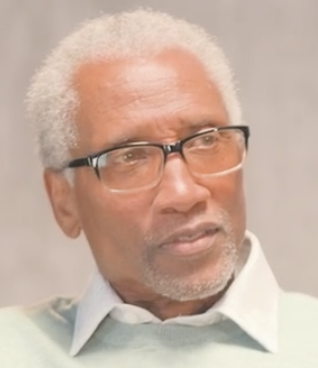
Mike Africa Davis reflects on confinement, emotional survival, and the strange intimacy of memory inside prison. This conversation reveals how incarceration alters a person's relationship to feeling, time, and the outside world.
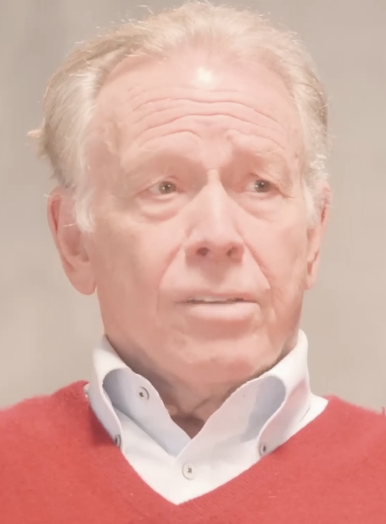
Dr. Todd Clear reflects on a lifetime of prison research and why reforming prisons is not enough. This conversation examines punishment culture, public perception, and the broader consequences of building society around confinement.
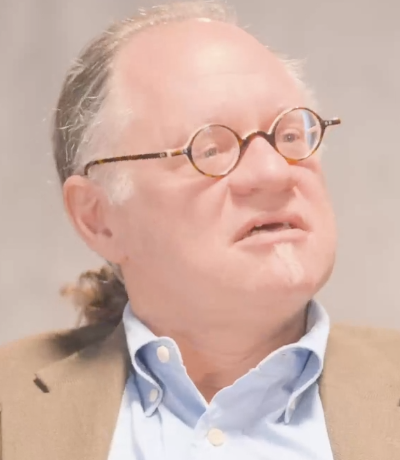
Mark Sherman reflects on the judicial system, institutional decision-making, and the ways law shapes human outcomes. This conversation adds a court-centered perspective to the larger questions of incarceration, accountability, and repair.
New episodes drop throughout production. Subscribe on your platform of choice or join the email list for updates.
Or join the email list
No spam. Updates only when there's something worth saying.
The Podcast
Get each new full-length conversation the moment it drops.